Every prompt in this pack, complete and copyable from this page. Open any one for the real before/after and the step-by-step.
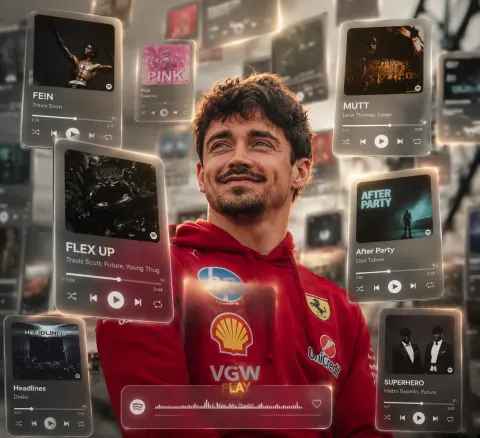
A cinematic, dreamlike AR visual featuring a central 151 photorealistic person surrounded by floating 3D Spotify/Apple Music interface cards. No dramatic look. the cards orbit around the subject at varying depths-some in the foreground obscuring the figure, others drifting behind. Style: Translucent frosted glass with glowing borders and rounded edges. Lighting: natural tones, Enhance the photo quality Includes depth of field (blurred background cards) and motion accents, highlighting [songs] :

Flex Up - Travis Scott, Future, Young Thug,
FE!N - Travis Scott,
MUTT - Leon Thomas, Easter
Pink - Fakemink
Headlines - Drake
After Party - Don Toliver,
Superhero - Metro Boomin & Future
player interfaces.
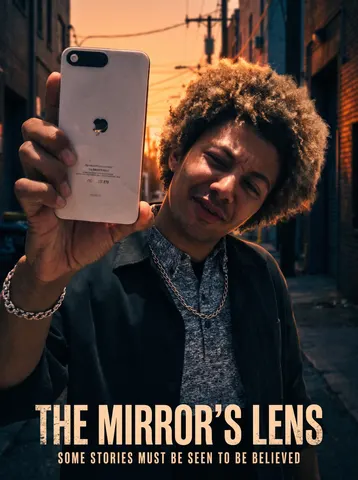
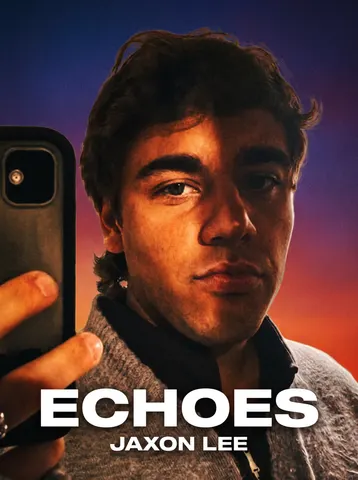
Turn this uploaded photo into an iconic album cover. Reframe the composition as bold cover art: add dramatic directional lighting across the face, a striking color-graded backdrop or gradient, and subtle film grain, while keeping the person's actual face, expression, and identity completely recognizable and unretouched. Do not smooth the skin or reshape any features — this is a lighting and color treatment, not a beautification edit.

Add a short, punchy title and artist name in clean, era-appropriate cover typography — one bold word or short phrase for the title, positioned like real album art, not a busy or cluttered wall of text. Keep the typography restrained: one title line and one artist line, nothing more.

Preserve the person's pose, clothing, and the essential shape of the original photo; treat the background as the canvas to redesign, not the face. Avoid plastic skin, waxy retouching, or warped facial features — keep visible skin texture and natural grain so the portrait still looks like a real photo, not a synthetic render.

The final result should look like a genuine streaming or vinyl album cover this person could believably drop tomorrow — bold, stylish, and instantly shareable.
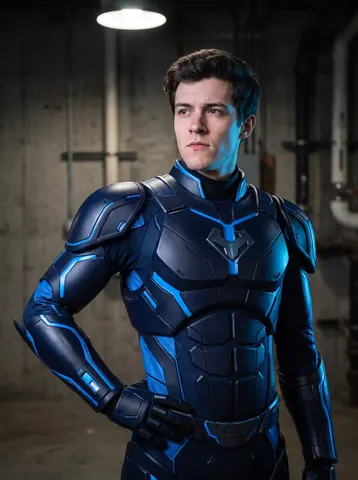
Transform this uploaded photo into a heroic armored-suit portrait. This is no longer a mirror selfie — remove the phone and the arm-raised selfie pose entirely, and reframe the subject in a natural standing hero pose, arms relaxed at the sides or one hand resting on the hip, as if captured by a professional photographer.

Replace the subject's clothing with a sleek, form-fitting armored hero suit in a bold original color palette (deep navy and electric blue, or matte black and crimson) with subtle paneling and glowing accent lines — an entirely original design, not a copy of any existing character, franchise, or trademarked suit.

Keep the subject's face, identity, and proportions fully recognizable and unchanged. Preserve the general lighting direction and mood of the original photo while adding a cinematic rim light to the suit. Do not smooth or plasticize the skin — retain natural skin texture, pores, and fine detail, and keep a touch of photographic grain so the result still reads as a photo rather than a 3D render. No real logos, trademarks, or brand marks of any kind should appear anywhere in the suit design, emblem, or background.

The final result should look like a professional hero-portrait photoshoot still, with the person instantly recognizable, wearing an original armored suit built just for them.
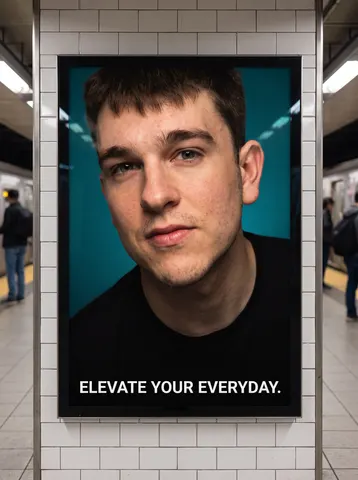
Transform this uploaded photo into a glossy, large-format advertising poster displayed inside a generic subway or transit station, styled like a high-end fashion or lifestyle ad campaign. This is not a mirror selfie or phone photo anymore: restage the subject with bold, editorial studio lighting — a strong key light, crisp highlights, and a clean, saturated color-graded background (a single bold color panel or soft gradient), not the original background.

Frame the composition like a real transit ad panel: the portrait fills most of the poster, with generous clean margin at the bottom for a short tagline. Add exactly one short, punchy, completely generic tagline (2-5 words, invented or purely descriptive wording only, no real brand, product, or company name) in clean modern sans-serif type. Do not include any fictional or real logo mark, brand name, transit authority name, or trademark anywhere in the image.

Preserve the subject's exact facial identity, proportions, and expression — this is a restyled portrait of the same person, not a different face. Do not smooth or plasticize the skin; retain natural texture while achieving a polished, professional ad-campaign retouch level. Frame the whole poster as if photographed mounted inside an illuminated ad frame on a subway platform wall, with white subway tile and soft ambient station lighting visible at the very edges of the frame, and a shallow out-of-focus platform environment barely visible beyond the poster's border.

The final result should look like a genuine glossy transit advertising poster for a high-end fictional brand, mounted on a subway platform wall.
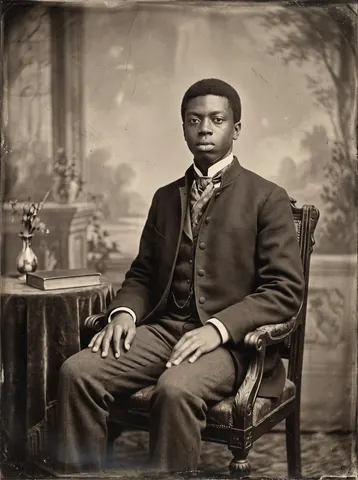
Transform this uploaded photo into a Victorian-era tintype studio portrait from the 1880s. Restage the subject in period-accurate formal attire appropriate to their apparent gender and build — a high-collared dark wool suit jacket with a cravat, or a high-necked lace-trimmed dress with a fitted bodice. This is no longer a casual phone photo or mirror selfie: remove the phone and mirror entirely, and replace the setting with a formal antique photography studio — a painted canvas backdrop, a velvet-draped side table, and soft directional window light typical of 1880s portrait studios.

Preserve the subject's exact facial identity, bone structure, expression, and proportions — this must still look like the same person, just photographed in another century. Do not smooth, soften, or plasticize the skin; keep authentic texture, pores, and natural asymmetry.

Render the entire image in a sepia-toned monochrome tintype finish: a soft vignette at the corners, fine authentic film grain (not blur), subtle scratches and edge wear consistent with a genuine 19th-century photographic plate, and a slightly stiff, formal studio pose with a neutral or solemn period-appropriate expression. Do not add any modern text, watermark, logo, or brand mark anywhere in the frame — this must read as a plausible antique photograph, not a modern graphic overlay.

The final result should look like a genuine daguerreotype-era studio portrait unearthed from a family archive — convincing enough to pass as a real ancestor's photograph.
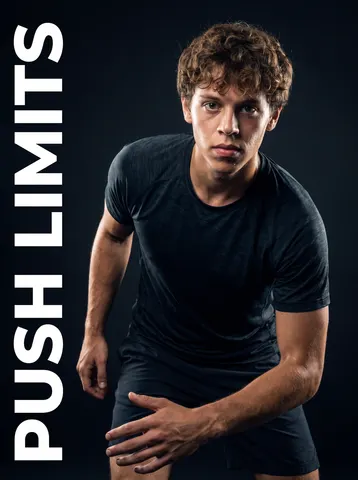
Transform this uploaded photo into a dramatic sportswear-style poster portrait. Keep the person's identity, facial features, and body proportions exactly as they appear in the original photo — do not alter their face, skin tone, or build.

Frame the subject in a dynamic athletic pose against a bold, high-contrast studio background with dramatic rim lighting and deep shadows, like a professional sports apparel campaign. Add bold, condensed sans-serif typography along one edge of the composition (a short motivational word or phrase, no real brand names, team names, or logos). Do not include any real logos, trademarks, jersey numbers tied to real teams, or readable brand marks anywhere in the image. This is not a mirror selfie anymore — remove any phone or camera device from the subject's hands entirely.

Preserve the natural texture of skin and hair — no smoothing, no plastic or waxy skin, no over-sharpened edges. Keep a subtle photographic grain and realistic light falloff so the image reads as a professionally lit photograph, not an illustration or 3D render.

The final result should look like a high-end sportswear ad poster starring this exact person, dramatically lit, boldly typeset, and completely free of any real-world brand or logo.
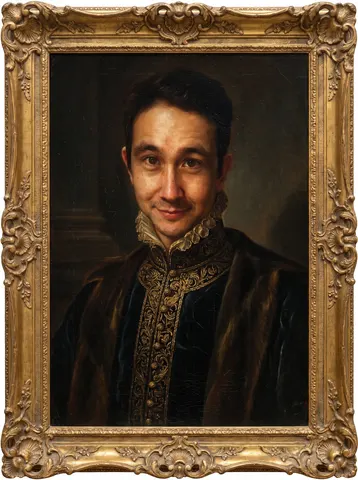
Transform this uploaded photo into a museum-quality Old Master oil painting portrait, in the style of a 16th-century Renaissance master. Repaint the subject with rich chiaroscuro lighting, deep shadow, and warm glazed highlights, dressed in ornate period clothing — a high collar, brocade fabric, or velvet cloak — that complements their existing coloring. Surround the portrait with a dark, moody background and enclose the whole image in an ornate carved gold frame with visible gilding detail.

Preserve the subject's exact facial structure, likeness, expression, and identity — this must still be recognizably them, only reimagined in paint. Keep the same head angle and gaze direction from the original photo.

Render everything with authentic oil-painting texture: visible brushstrokes, canvas grain, and fine surface cracquelure with age, not a smooth digital-airbrush filter. Avoid plastic skin, waxy smoothing, warped facial features, or a cartoonish look — this should feel like real centuries-old pigment on canvas.

The final result should look like a genuine museum portrait hanging in a gallery, painted by an Old Master, with the subject's true likeness unmistakably preserved beneath the paint.
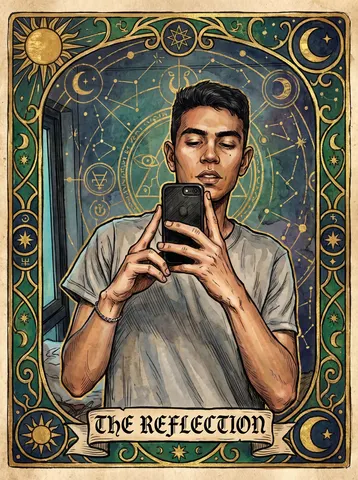
Transform this uploaded photo into an ornate tarot card illustration. Recompose the subject as the central figure of a major arcana-style card, rendered in rich hand-painted linework with gilded ornamental borders, mystical symbols, and a soft muted color palette of deep golds, emeralds, and ink blues.

Preserve the subject's identity, facial features, pose, and body proportions exactly as shown — only restyle the artwork, lighting, and setting around them into the tarot aesthetic. Do not distort or exaggerate proportions, and keep the framing recognizable as the same person.

Add a single elegant title line in a classic serif/blackletter style along the bottom of the card border (do not add dense credits or extra text blocks). Keep painterly texture and fine linework crisp — no plastic smoothing, no blurred details, retain a hand-illustrated grain.

The final result should look like a beautifully illustrated antique tarot card, as if pulled straight from a mystical deck, with the person unmistakably recognizable inside the artwork.
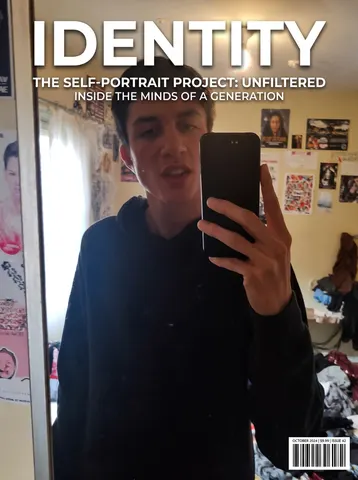
Turn this uploaded photo into a glossy magazine cover. Add a masthead-style title across the top in bold editorial type, a small cover line or two teasing a 'story' near the image, and a barcode/issue-date detail tucked in a corner — the way a real newsstand cover is laid out. Use clean, high-contrast cover typography, not a dense wall of text.

Keep the person's face, identity, expression, and pose exactly as they are in the original photo — do not reshape features, change their body, or alter what they're wearing. Keep the background and lighting from the original photo as the base; you may deepen contrast and richness slightly the way a magazine's color grade would, but do not replace the setting or change who's in it.

Do not smooth or plasticize the skin, do not add an airbrushed look, and keep visible skin texture and natural grain — this should still look like a real photograph, just laid out as a magazine cover. Avoid garbled or nonsense text; keep any wording large, short, and legible.

The final result should look like this exact photo, published as the cover of a real glossy magazine — bold masthead, a couple of clean cover lines, and true photographic detail underneath.
Transform this uploaded photo into a dramatic movie poster. Keep the person's face, identity, and body proportions completely unchanged — same bone structure, same features, same expression — while restaging the lighting, framing, and background into a cinematic one-sheet.

Light the subject with bold, directional movie-poster lighting (rim light, moody shadows, a dramatic color-graded backdrop that fits the mood of the original photo) and add a wide cinematic aspect feel with a title treatment: a large stylized movie title at the top or bottom, and a tagline in small caps beneath it. Keep the title and tagline text large, legible, and properly kerned — no garbled or warped letters. Do not add any additional lines of text, credits, names, or placeholder words anywhere else in the image — title and tagline only.

Preserve the photo's real skin texture and grain — no smoothing, no plastic or airbrushed skin, no waxy over-retouching. The background and clothing can be restyled for drama, but the person underneath should be unmistakably, recognizably them.

The final result should look like a real theatrical movie poster starring you — bold lighting and a title treatment, built from your own photo.