Every prompt in this pack, complete and copyable from this page. Open any one for the real before/after and the step-by-step.
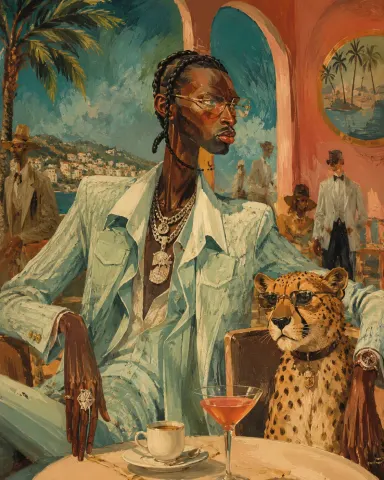
Surreal mid-century editorial illustration of an eccentric version of the person in the photo and a [ANIMAL] inside a stylish [SCENERY], elongated proportions, exaggerated narrow faces, deadpan expressions, oversized accessories, bizarre fashionable atmosphere, painterly brush textures, distorted anatomy, subtle lowbrow surrealism, sophisticated absurdity, vivid retro color palette dominated by [COLOR 1], [COLOR 2], and [COLOR 3], expressive oil-painted strokes, fashionable vintage clothing, dramatic jewelry and eyewear, whimsical background characters softly blurred in distance, elegant café culture energy, cinematic composition, textured painted background, contemporary art gallery meets 1960s Riviera illustration, highly stylized editorial aesthetic, vertical composition 4:5
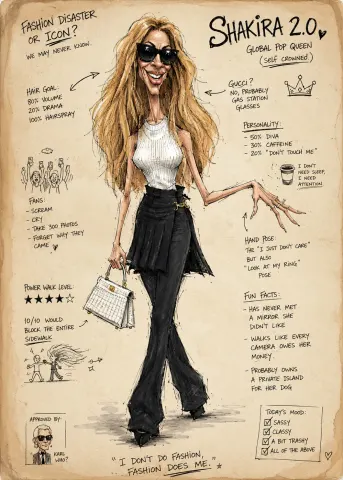
Turn the person from the photo into a grotesque humorous fashion caricature sketch. Strongly exaggerated anatomy, elongated proportions, expressive crooked hands, dramatic face, awkward elegant posture, satirical fashion energy, messy ink lines, rough watercolor, sketchbook style, vintage magazine illustration on beige aged paper. Add handwritten English notes, arrows, funny observations, doodles, and absurd personality analysis around the character.
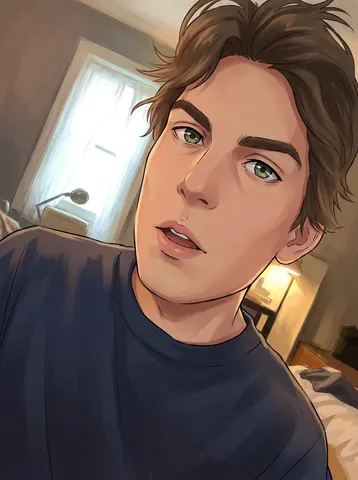
Transform this uploaded photo into a hand-painted anime portrait. Reimagine the subject with clean cel-shaded linework, soft painterly shading, and expressive anime-style eyes, while keeping their exact facial structure, hairstyle, and expression fully recognizable — this should read as clearly them, just illustrated.

Preserve the original pose, composition, and framing of the photo. Keep clothing, accessories, and background elements recognizable, reimagined in the same anime-painterly style rather than replaced or invented. Maintain the original lighting mood and color palette, translated into flat and gradient anime shading instead of photographic light.

Avoid generic or off-model anime faces, waxy plastic skin, or losing the subject's real likeness. Keep linework clean but not sterile — subtle brush texture and painterly color blending should stay visible, not a flat filter overlay. No text, no logos, no unrelated added characters.

The final result should look like a frame pulled from a hand-painted anime film starring this exact person, instantly recognizable as them.
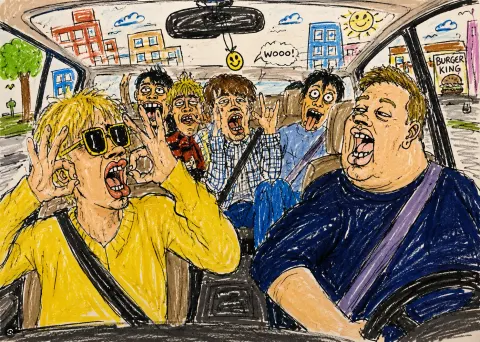
Turn this photo into a funny ugly doodle drawing. Make it look like: a quick sketch using a cheap marker or crayon messy, rough, childlike style bad perspective and awkward proportions slightly exaggerated facial features Add: simple cartoon background (like buildings, trees, street) random sketchy lines and details uneven coloring and visible strokes Style: looks like a lazy drawing, not polished humorous and a bit stupid-looking meme-like, casual, internet style Do NOT: make it realistic.
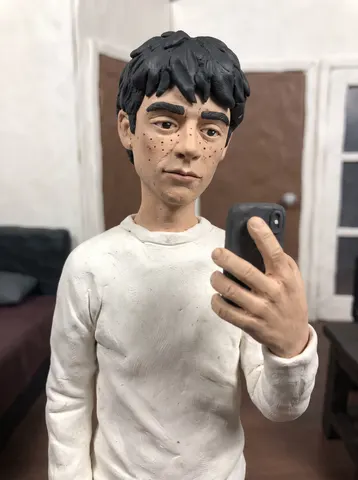
Transform this uploaded photo into a claymation stop-motion character, as if pulled straight from a handcrafted animated film. Rebuild the subject's head, hair, and clothing out of matte, slightly textured modeling clay, keeping visible fingerprint dimples, subtle seams, and small tool marks exactly where a real animator's hands would leave them.

Preserve the subject's identity, facial proportions, expression, pose, and the overall composition of the original photo — this should read as the same person sculpted in clay, not a different character. Keep the background staged like a miniature tabletop set that echoes the original setting, with soft practical studio lighting instead of the original photo's lighting.

Do not render smooth CGI-plastic skin or a glossy 3D-render look — the clay must feel physically sculpted, with matte surfaces, tiny thumbprint textures, and slightly uneven forms the way real stop-motion puppets look on camera. Avoid warping the face into caricature; keep it recognizably the same person, just built from clay.

The final result should look like a single frame pulled from a beloved stop-motion animated film, starring this exact person as a handcrafted clay puppet.
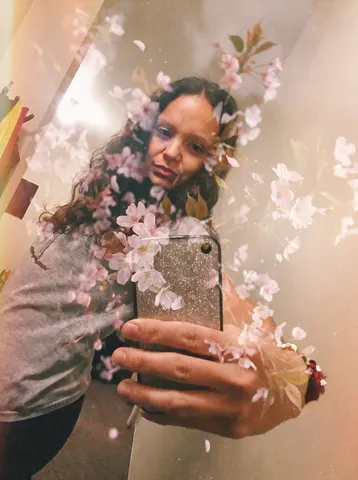
Transform this uploaded photo into a dreamy double-exposure portrait by blending the subject with a second, softly layered image — drifting flowers, city lights, forest silhouettes, or a starry sky — merged seamlessly into the same frame. Let the two exposures interweave through the hair, shoulders, and negative space so the second scene feels like it's emerging from within the subject.

Preserve the subject's identity, facial features, pose, and framing exactly as they are — the blend should reveal a second world layered on top, not replace or distort who is in the photo. Keep the original lighting direction and mood as the anchor tone beneath the overlay.

Keep the blended texture painterly and analog, like true double-exposed film — avoid muddy overexposed washouts, plastic skin, or heavy-handed clipping that erases detail. Grain and soft light leaks are welcome; garbled edges and warping are not.

The final result should look like a single frame of hand-shot double-exposure film, two worlds captured in one exposure.
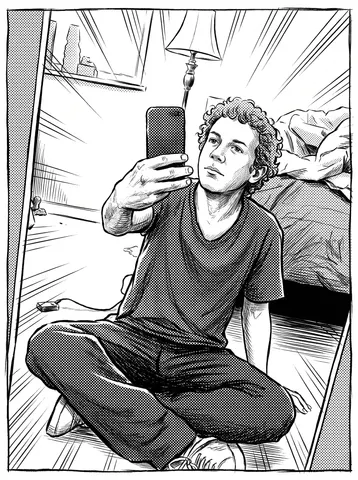
Redraw this uploaded photo as a single black-and-white manga panel, the way this exact person would appear inside a Japanese comic book page. Convert the photo into clean ink linework with bold contour lines, cross-hatched shading, and authentic screentone dot patterns standing in for color and gradients, plus a few dynamic speed lines radiating from behind the subject.

Preserve this person's identity, facial structure, expression, hairstyle, and pose exactly as in the original photo — only the rendering style changes, not who they are or what they're doing. Keep the original composition and framing so the panel still reads as this same moment, and add a thin manga panel border with a rough, slightly uneven ink edge.

Avoid smoothing the linework into a generic sticker or vector-clipart look, and do not add oversized eyes, exaggerated proportions, or other chibi-style distortions — the goal is a grounded, screen-toned manga illustration, not a caricature. Keep the shading gritty and hand-inked rather than flat or airbrushed.

The final result should look like a page torn straight out of a black-and-white Japanese manga volume, starring this exact person in this exact moment.
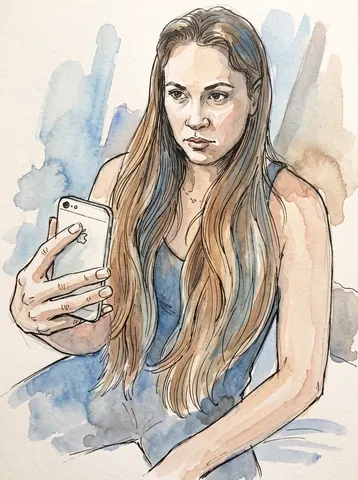
Transform this uploaded photo into a loose ink-and-watercolor sketch portrait. Redraw the subject with visible hand-inked linework and soft, bleeding watercolor washes that pool and feather slightly at the edges, like a page pulled straight from an artist's travel sketchbook.

Preserve the subject's identity, facial features, pose, and expression exactly as photographed, and keep the original composition and framing unchanged. Let the background simplify into loose washes of color and suggested shapes rather than a literal rendering, but keep it recognizable as the same setting.

Keep the linework imperfect and human — visible pencil guides, slightly uneven ink lines, and visible paper grain and texture. Do not smooth the result into a clean digital illustration or add glossy shading; avoid plastic skin, symmetrical over-polish, or anime-style enlarged eyes.

The final result should look like a real watercolor-and-ink sketch someone painted by hand from this exact photo.
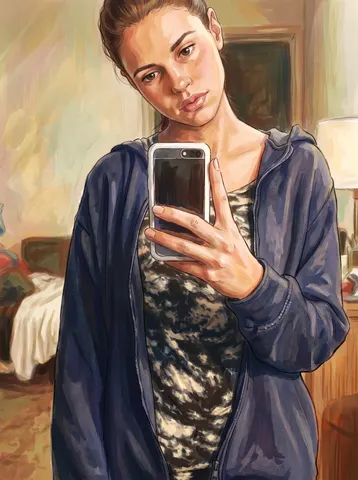
Turn this uploaded photo into a hand-painted anime storybook illustration, the kind of soft painterly frame you'd see in a beloved animated film. Repaint the skin, hair, and clothing with warm brushstroke shading and gentle color blending, and transform the background into a lush, painterly version of the same room or setting.

Preserve this person's exact identity, facial structure, expression, and pose — the illustration should still be unmistakably them, just rendered in paint instead of photographed. Keep the same framing, camera angle, and composition as the original photo, including anything they are holding.

Use soft painterly linework rather than harsh outlines, with warm natural light and gentle color grading — avoid glossy 3D-render shading, avoid plastic skin, and avoid generic anime clichés like oversized sparkly eyes. Keep a touch of visible brushstroke texture so it reads as hand-painted, not machine-smoothed.

The final result should look like a frame pulled from a warm, nostalgic hand-painted animated film starring you.
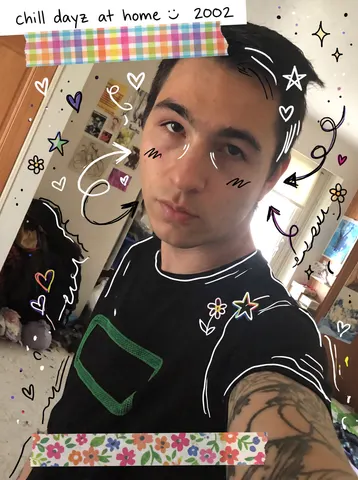
Add a hand-drawn doodle diary overlay to this uploaded photo, like a page torn from a Y2K scrapbook journal. Scatter playful hand-drawn doodles around the subject — little hearts, stars, swirly arrows, a squiggly underline, tiny flowers — in white or colored marker/pen style, plus one or two strips of washi tape and a short handwritten caption in the corner, as if someone decorated a printed photo by hand.

Keep the photo underneath completely untouched: the person's identity, face, expression, pose, outfit, the background, the composition, and the lighting must stay exactly as they are in the original. The doodles and tape sit on top of the photo like an overlay, they do not replace or repaint any part of the real image.

Avoid making the doodles look like a digital font or a heavy filter — they should look like genuine handwriting and hand-drawn ink lines, slightly uneven and imperfect, with the tape looking like real paper with a bit of texture and a soft shadow. Keep the photo's own grain and natural imperfections untouched underneath the doodles.

The final result should look like a real printed photo that a friend decorated by hand with pens, stickers, and washi tape for a scrapbook page.
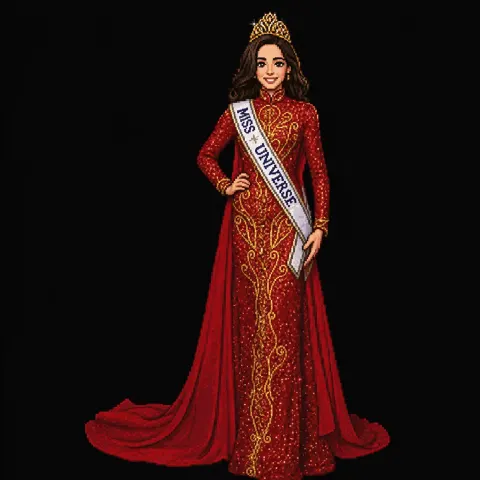
Use the uploaded photo as the reference image. Convert the entire image into a clean JRPG-style pixel-art scene. Preserve the original subject, pose, outfit, hairstyle, facial expression, skin tone, body proportions, props, background, camera angle, framing, perspective, lighting direction, color temperature, and overall scene layout. Do not redesign the scene or add new objects. Render it like a late-1990s / early-2000s 2D pixel-art game background with a character sprite integrated into the environment. The style should feel like an urban slice-of-life JRPG, visual novel background, or early console story-game cutscene. Keep the original photo's lighting mood and color relationships. Do not shift the image warmer, darker, more orange, more brown, more sepia, or more cinematic. Preserve natural skin color, original clothing colors, original shadow direction, and the overall white balance from the reference photo. Use clean hand-pixeled rendering, muted but accurate colors, simple readable forms, crisp outlines, controlled pixel clusters, subtle dithering, and soft blocky shadows. The character should look like a natural semi-realistic anime/JRPG pixel character, not chibi and not overly cute. Preserve the person's recognizable hairstyle, outfit, pose, proportions, expression, skin tone, and facial structure, simplified into pixel-art form. The environment should stay faithful to the reference photo