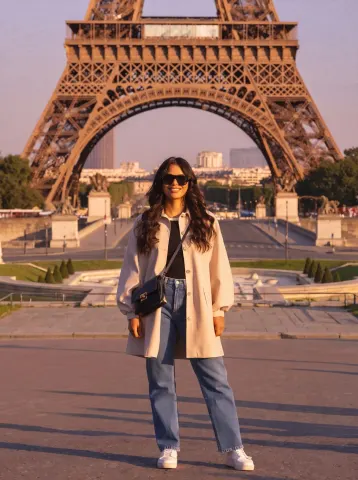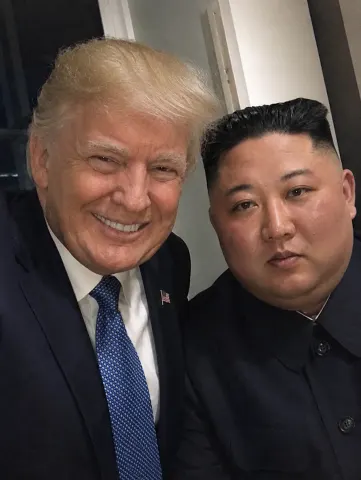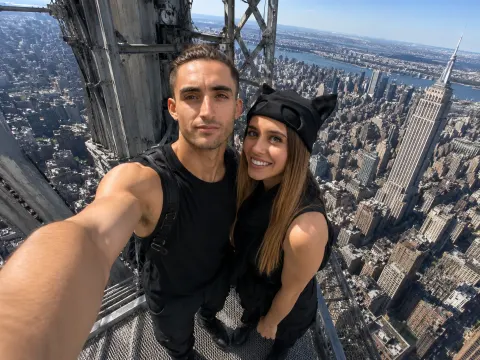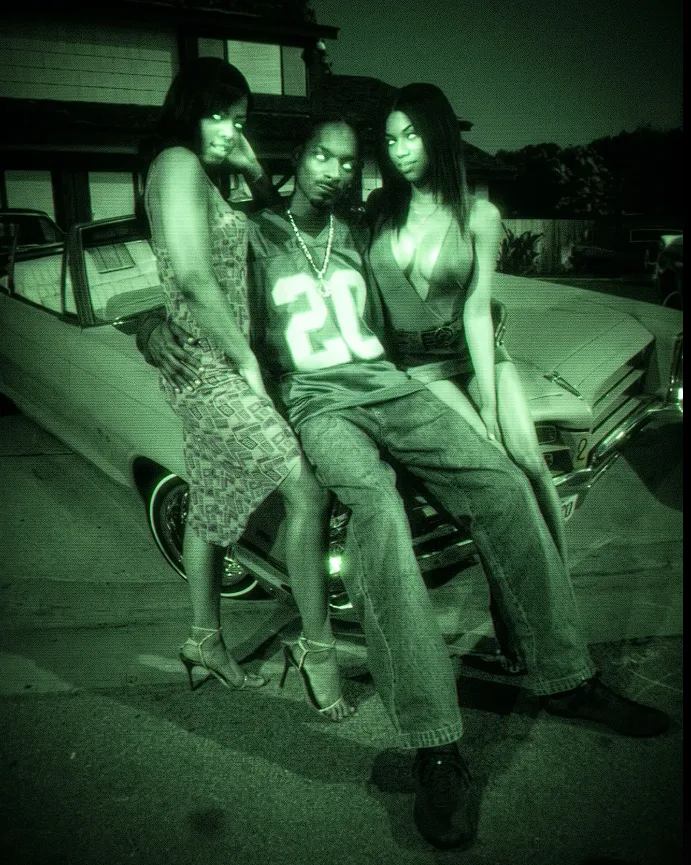
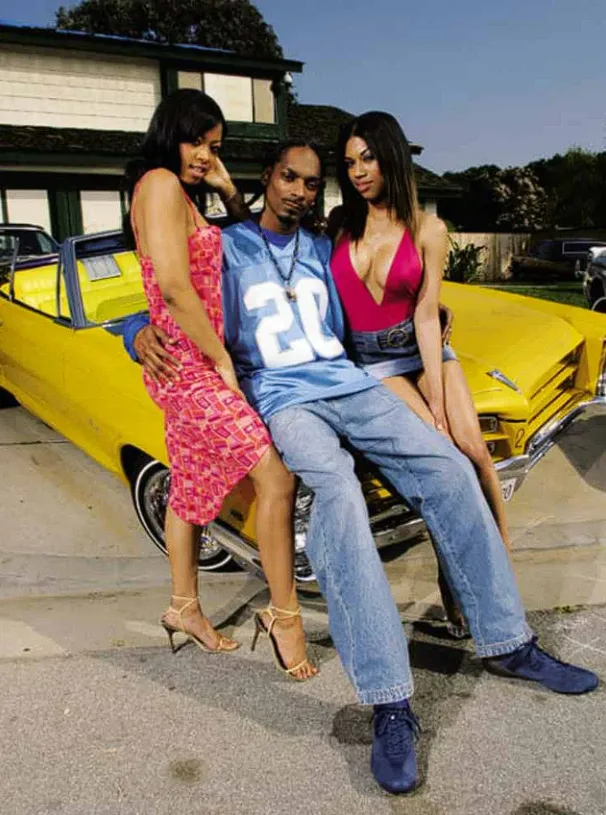
drag to compare — this is a real result from this exact prompt
Infrared
1 steals· updated sep 2026
Full prompt
Use the reference image as the base image. Preserve the exact pose, framing, camera distance, facial structure, expression, hair placement, clothing, and accessories with zero alterations. Do not modify the subject's face shape, features, or proportions in any way.
Transform the image into an early-2000s CCD camcorder NightShot infrared capture. Apply a monochromatic green night vision color grade across the entire frame, with deep murky green shadows and bright phosphor-green highlights, with no other hues present.
Simulate infrared illumination coming from the camera position, making skin, eyes, and reflective surfaces glow slightly brighter than the surroundings while the background falls into dark green murk.
Add heavy digital sensor noise and coarse luminance grain typical of low-light CCD sensors, with visible speckling across shadows and midtones. Introduce soft focus and mild bloom on highlights, slight chromatic smearing on bright edges, and gentle vignetting toward the corners.
Use a low dynamic range with crushed blacks and clipped glowing highlights. Add subtle interlacing texture and soft VHS-era digital compression artifacts. Include slight motion softness as if captured handheld on a consumer camcorder at night.
How to use — free
01
Steal the prompt
Hit the button — the full prompt is on your clipboard.
02
Open Gemini or ChatGPT
Start a new chat and attach a clear photo of yourself (face visible, good light).
03
Paste & generate
Paste the prompt, send, and download your result. Tweak words to taste.
Questions
Is the Infrared prompt free?
Yes — completely free. No login, no credits, no paywall. Click the copy button and the full prompt is yours.
Which AI tools work with the Infrared prompt?
It's tested with Gemini and ChatGPT. Attach a clear photo of yourself, paste the prompt, and generate.
Can I edit the prompt?
Absolutely — that's the point. Swap any clause (lighting, mood, film stock, setting) to make the result yours.