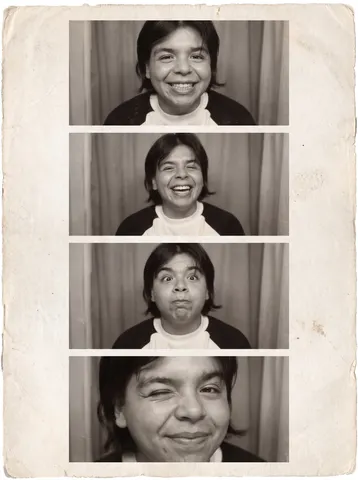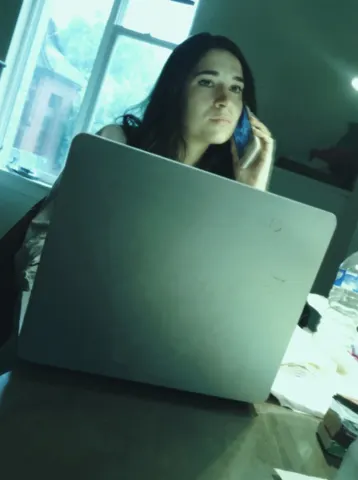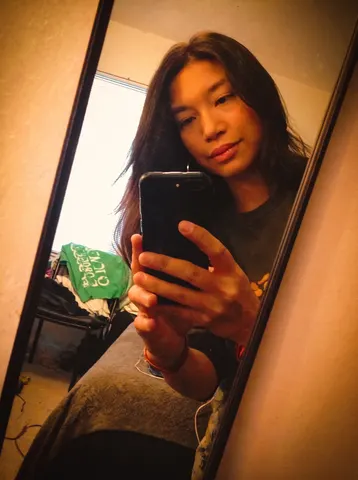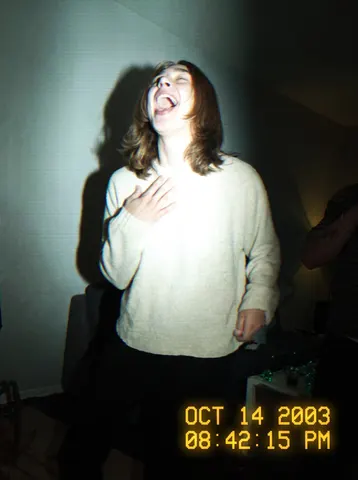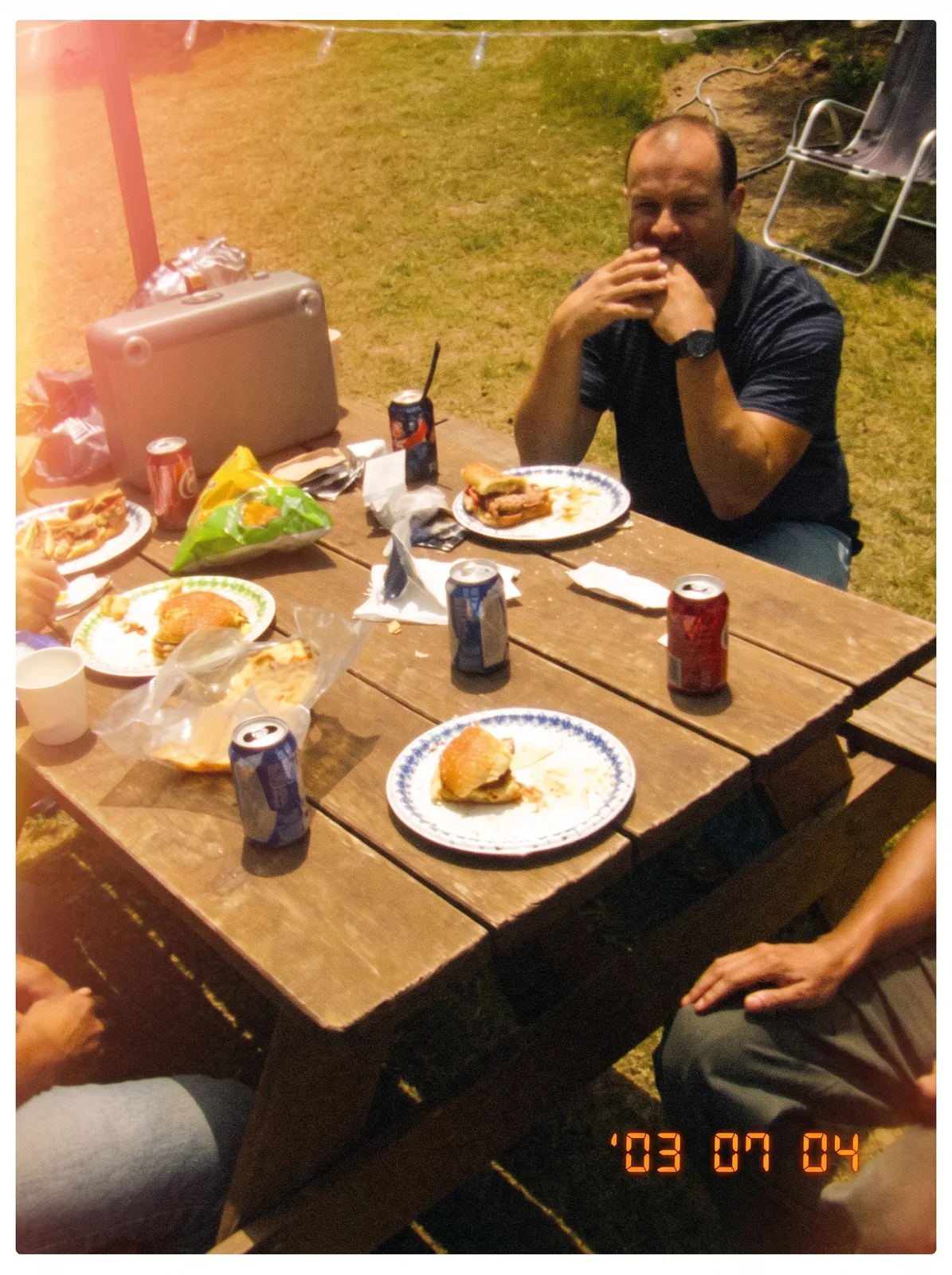
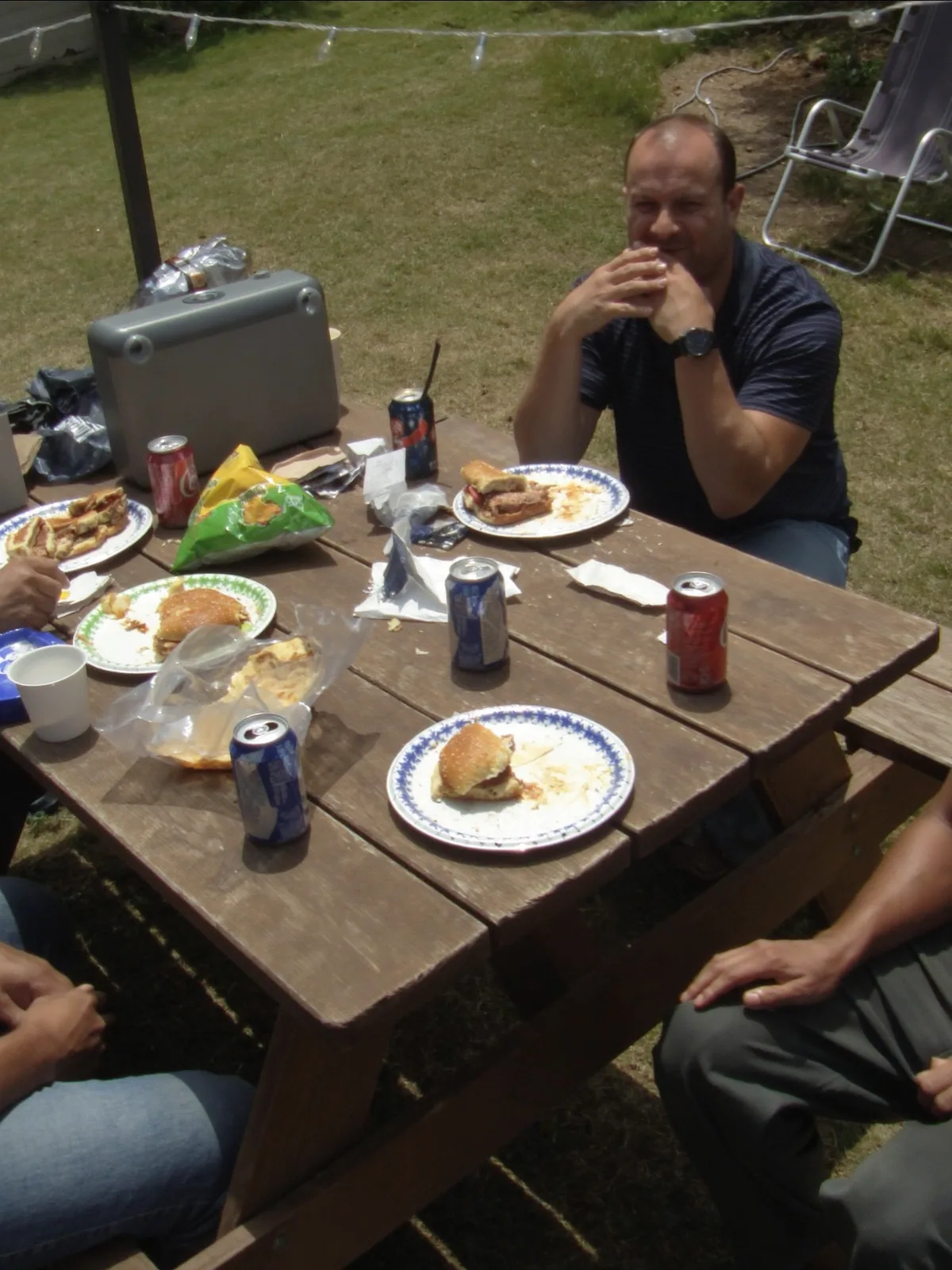
drag to compare — this is a real result from this exact prompt
Disposable Camera Print
1 steals· updated sep 2026
Full prompt
Transform this uploaded photo into a scanned disposable camera print, the kind you'd get back from a one-hour photo lab in the early 2000s. Push the color grade hard: a warm yellow-orange cast across the whole frame, visible film grain layered heavily through the shadows and midtones, and a soft-focus blur that's slightly stronger at the edges than the center, like a cheap plastic lens. Add an unmistakable light leak — a warm orange-pink streak bleeding in from one corner of the frame — and keep the exposure a touch inconsistent, brighter or dimmer in patches the way real film prints are.

Preserve the subject's identity, facial features, body proportions, pose, and the original composition exactly as they are — only the film texture, color grade, and print treatment should change, never the people or the scene layout. Frame the image with a thin white printed-photo border along all four edges, like a physical print pulled from an envelope, and stamp a small orange LCD-style date in the bottom corner (e.g. '03 07 04') in the blocky orange digital font disposable cameras used.

Do not smooth or soften the skin, do not add plastic or airbrushed texture — keep visible film grain and imperfect, slightly muddy shadow detail throughout. Avoid any modern HDR clarity, digital sharpness, or clean edges that would give away a modern edit; the softness and grain should be obvious, not subtle.

The final result should look unmistakably like a real disposable camera print scanned in from a photo envelope — warm, grainy, softly blurred, light-leaked, and stamped with a date, instantly recognizable as an old film photo, not a digital photo with a filter slapped on.
How to use — free
01
Steal the prompt
Hit the button — the full prompt is on your clipboard.
02
Open Gemini or ChatGPT
Start a new chat and attach a clear photo of yourself (face visible, good light).
03
Paste & generate
Paste the prompt, send, and download your result. Tweak words to taste.
Questions
Is the Disposable Camera Print prompt free?
Yes — completely free. No login, no credits, no paywall. Click the copy button and the full prompt is yours.
Which AI tools work with the Disposable Camera Print prompt?
It's tested with Gemini and ChatGPT. Attach a clear photo of yourself, paste the prompt, and generate.
Can I edit the prompt?
Absolutely — that's the point. Swap any clause (lighting, mood, film stock, setting) to make the result yours.